
Google Pixel 10 Pro XL Review

Gadget Enthusiast & Tech Blogger
0 Comments
3 min read

Gadget Enthusiast & Tech Blogger
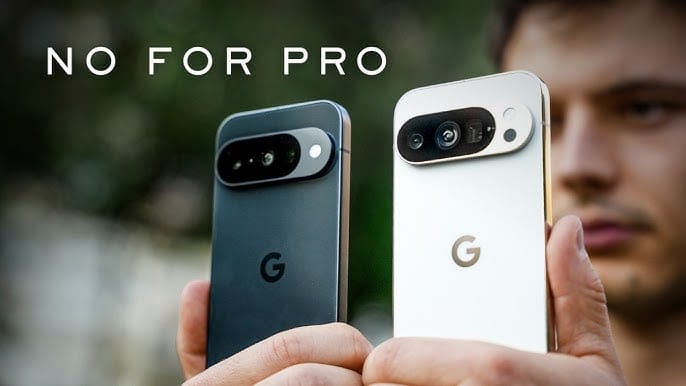
Google’s biggest and most expensive Pixel only gets minor tweaks this year. The Pixel 10 Pro XL does a lot right, but Google leaves a few rough edges unpolished.
It seems to be a trend this year among smartphone makers to build thinner devices. Google isn’t joining in with the Pixel 10 Pro XL. Like last year, the XL model is the largest and priciest of the new Pixel generation, which also includes the Pixel 10 and Pixel 10 Pro.
On paper, the new Pixel lineup looks like a modest upgrade. With the Pixel 10, Google focuses more on smart (AI) software than on powerful hardware. The Pixel 10 Pro XL is an almost flawless product. But “almost” is a big word in the highest price segment.
The Pixel 10 Pro XL is intended for anyone who wants a big smartphone. It barely fits in your pocket, especially with a case on. The total weight is a hefty 230 g, which isn’t much more than Samsung’s S25 Ultra.
The added value of the XL versus the other Pixel 10 phones is the large 6.8-inch display. Some will love the extra screen, others will find it unwieldy. The Pixel 10 Pro XL’s screen has the highest resolution (1,344 × 2,992) and brightness (1,913 nits) in the lineup.
Both brightness and refresh rate can scale dynamically to save battery. Pixel displays have been a feast for the eyes for years, and this year is no different. The display is tuned nearly perfectly.
Since this summer, every new phone carries an “eco label” in the EU. That’s mostly interesting when it deviates. Of the new Pixel phones, only the Pro achieves an A rating. The XL lands in the B category, likely because its battery life sits just below the symbolic 50-hour mark according to the label (48h 39m).
It’s striking that cheaper, China-made models achieve the highest rating, while a device costing €1,299 (incl. VAT) doesn’t make the cut. Whether that’s due to the manufacturer or the label’s criteria, we’ll leave open.
By European standards, the Pixel 10 Pro isn’t all that ecological, but you don’t need to worry about build quality. It scores an A for drop and scratch resistance, and the IP68 rating means it can stay under water for up to 30 minutes.
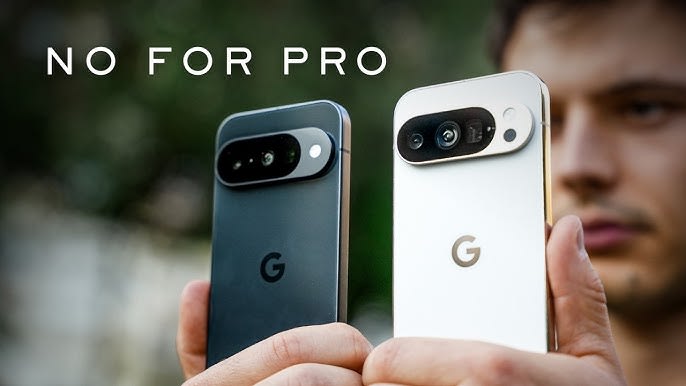
The cameras have long been a calling card for Pixel phones. Personal taste always plays a role in photo assessments, but few smartphones can capture reality as crisply and lifelike as a Google Pixel. Whether it’s the most expensive models or the more affordable A series, Pixels often come out among the winners in comparison tests.
On paper, the camera trio remains identical, including the horizontal layout. The Pixel 10 Pro XL features a 50 MP main camera (f/1.7), a 48 MP ultra-wide (f/2.55), and a 48 MP telephoto camera (48 MP, 5x optical zoom). A 42 MP front camera completes the setup. The main camera is said to have improved image stabilization compared to the Pixel 9.
The cameras don’t disappoint. Whichever camera you use and whatever the shooting conditions, your photos are sharp and colors look realistic. Sunny, overcast, or dark: the Pixel 10 Pro XL handles it all. The three cameras work in harmony; feel free to switch between focal lengths. The only downside is that the ultra-wide sometimes tries to cram in too much, skewing tall buildings noticeably.

WRITTEN BY
Stay tuned for more insightful content from Gadget Enthusiast & Tech Blogger. Follow our blog for the latest updates on technology and product reviews.
Your feedback helps us improve our content.


